
Behind the Headlines: How Media Ownership and Money Decide What You See
The Business Secrets That Shape the News You Trust

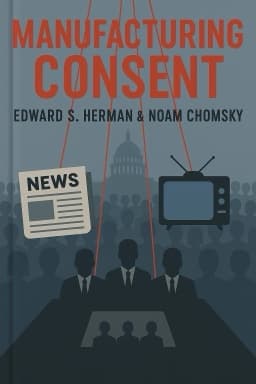
What you read, watch, and hear in the news is not just a product of journalistic integrity—it's big business. In 'Manufacturing Consent,' Herman and Chomsky exposed how the structure of media ownership and the relentless pursuit of advertising dollars shape the very nature of news. Today, as media conglomerates grow ever larger and more powerful, understanding this machinery is more important than ever.
Who Owns Your News?
Most people assume a diversity of news sources means a diversity of viewpoints. In reality, a handful of corporations control the vast majority of media outlets, from TV networks to newspapers to online platforms. This concentration means editorial decisions are often made with an eye toward corporate interests, not public good. Cross-ownership—where one company owns multiple types of media—further narrows the range of perspectives available to the public. 4
The Invisible Hand of Advertising
Advertising is the lifeblood of mainstream media. Without it, most outlets would not survive. This creates a powerful incentive to avoid stories that might upset major sponsors, from pharmaceutical companies to car manufacturers. The result is a form of self-censorship that is rarely acknowledged but deeply influential. Stories that threaten the bottom line are quietly dropped, softened, or buried.
Self-Censorship and Editorial Control
The most effective form of censorship is not imposed from above, but internalized by journalists and editors. Over time, newsroom cultures evolve to avoid controversy and prioritize content that aligns with owner and advertiser interests. This is why investigative journalism is often the first casualty of newsroom cutbacks, and why truly independent voices are so rare.
The Way Forward
Media reform is possible, but it requires public awareness and action. Support independent outlets, demand transparency in ownership, and be skeptical of news that seems too closely aligned with corporate interests. The future of journalism depends on a public willing to look behind the headlines and ask hard questions.
4 1
Want to explore more insights from this book?
Read the full book summary