
How to Outsmart the News: 7 Habits of Highly Media-Literate People
Practical Steps for Seeing Through Media Spin and Finding the Truth

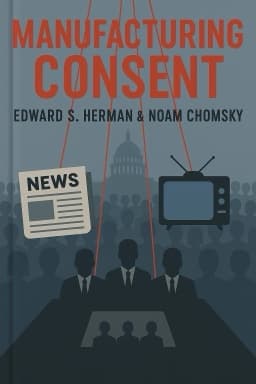
In an age of information overload, being media literate is not just a skill—it's a necessity. Inspired by the insights of 'Manufacturing Consent,' this blog distills the wisdom of media experts and educators into seven practical habits that can help you see through spin, recognize manipulation, and make informed decisions about what to believe.
1. Diversify Your News Diet
Relying on a single news source is like eating only one kind of food—sooner or later, you miss out on essential nutrients. Seek out international, independent, and alternative outlets to get a fuller picture of the world.
2. Question the Source
Always ask: Who is telling this story, and what interests might they have? Understanding the ownership and funding behind a news outlet can reveal hidden biases.
3. Look for Evidence, Not Just Opinion
Be wary of stories that rely on anonymous sources, vague claims, or emotional appeals. Good journalism is transparent about its evidence and methods.
4. Recognize Emotional Framing
Notice how stories are framed to provoke certain feelings—anger, fear, patriotism. Emotional manipulation is a powerful tool for manufacturing consent.
5. Check the Context
A fact out of context can be more misleading than a lie. Seek background information and multiple perspectives before drawing conclusions.
6. Practice Fact-Checking
Use reputable fact-checking organizations to verify claims, especially when a story seems too good (or bad) to be true.
7. Discuss and Reflect
Talk about the news with people who have different viewpoints. Reflection and dialogue are essential for deepening understanding and resisting manipulation.
The Future is Bright
By adopting these habits, you become not just a better news consumer, but a more empowered citizen. Media literacy is the foundation of a healthy democracy and the best defense against manipulation. Stay curious, stay critical, and help build a more informed world.
4 1
Want to explore more insights from this book?
Read the full book summary