
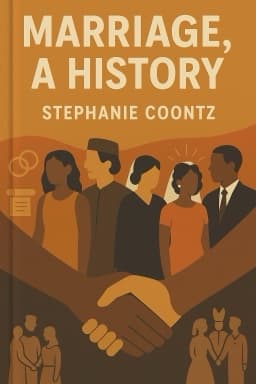
From Political Pawn to Love Match: The Untold Story of Marriage’s Radical Transformation
How marriage evolved from strategic alliances to emotional partnerships—and what that means today.

Marriage’s story is not just one of love and commitment but also of politics, power, and social strategy. Long before love was considered a valid reason to marry, marriage served as a crucial tool for rulers and elites to forge alliances and consolidate power.
Imagine a royal court where princesses are married off to rival kings, their personal desires irrelevant to the fate of kingdoms. These marriages could bring peace or spark conflict, as heirs and succession became battlegrounds for power struggles. The intrigue, betrayals, and political maneuvering surrounding these unions shaped history in profound ways.
Despite this, marriage also functioned as an economic contract among common people, consolidating land, wealth, and social status. The personal and political were deeply intertwined, and marriage was a vital mechanism for social order and mobility.
Then came the Enlightenment, bringing a seismic shift in how marriage was understood. The idea that individuals should choose their partners based on love and affection challenged centuries of arranged marriages and social control.
However, this ideal introduced new questions: if love fades, what holds the marriage together? The tension between romantic expectations and social realities sparked debates and crises that continue today.
Understanding marriage’s political origins and emotional transformation helps us appreciate its complexity and resilience. It also sheds light on why contemporary marriages face challenges and how historical patterns influence present-day relationships.
Drawing on extensive historical research and cultural analysis, this blog highlights marriage’s dual nature as both a social contract and a personal bond. 1 3 4
Want to explore more insights from this book?
Read the full book summary