
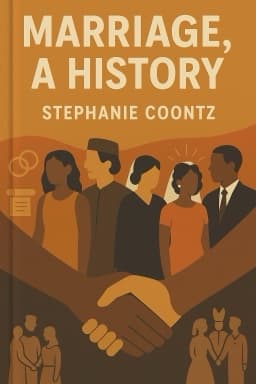
Marriage Around the World: The Astonishing Variety You Never Knew Existed
Discover the incredible diversity of marriage practices that challenge Western norms.

When we think of marriage, we often default to the Western monogamous model: two people living together, sharing a household, and committing to each other legally and emotionally. But marriage is far from uniform. Across cultures and history, it takes diverse and surprising forms that challenge our assumptions.
In many societies, spouses do not live together continuously; some live apart due to economic or cultural reasons. Polygamy and polyandry—marriage involving multiple spouses—are common in various parts of the world, serving social and economic functions. Ghost marriages, where a living person marries a deceased partner to maintain family alliances, exist in certain cultures, illustrating marriage’s symbolic power.
Same-sex marriages have historical precedents in several societies, further demonstrating marriage’s adaptability. These diverse practices show that marriage is a social construct shaped by cultural needs rather than fixed biological or legal definitions.
Recognizing this diversity helps us appreciate marriage as a flexible institution that evolves with human creativity and circumstance. It also cautions against imposing narrow definitions or expectations based solely on one cultural model.
This blog draws on anthropological research and historical accounts to celebrate marriage’s rich cultural tapestry. 1 3 4
Want to explore more insights from this book?
Read the full book summary