
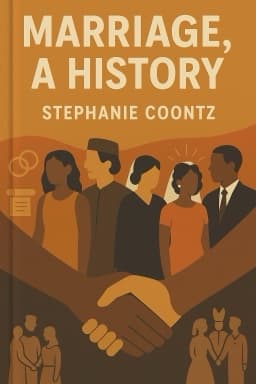
Marriage in Crisis? How Modern Changes Are Reshaping the Oldest Institution
Why marriage is no longer a social necessity and what that means for relationships today.

The last fifty years have brought seismic shifts in the institution of marriage. The once near-universal expectation to marry young and remain married for life has given way to a landscape marked by declining marriage rates, rising divorce, and a proliferation of alternative family forms.
Women’s increased economic independence has empowered them to prioritize personal fulfillment and equality within relationships, challenging traditional marital roles. This has led to renegotiations of household labor, parenting responsibilities, and emotional intimacy. While these shifts have introduced tensions, they also offer opportunities for more equitable and satisfying partnerships.
The rise of cohabitation, single parenthood, and same-sex marriages illustrates the growing acceptance of diverse family structures. Marriage is no longer a social necessity but a choice, with individuals weighing the benefits and challenges more carefully than ever before.
Understanding these trends helps us move beyond simplistic narratives of 'marriage in crisis' and appreciate the complexity of contemporary relationships. It invites us to rethink what marriage means in a changing world and how it can continue to serve human needs.
This blog synthesizes sociological research and cultural commentary to explore marriage’s ongoing transformation. 2 3 4
Want to explore more insights from this book?
Read the full book summary