
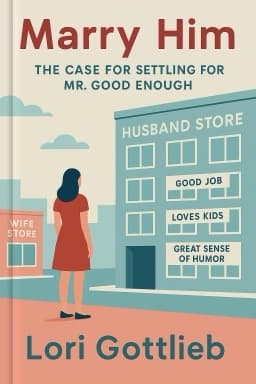
The Romantic Comedy Myth: How Media Shapes Unrealistic Dating Expectations
Why your favorite rom-coms might be setting you up for heartbreak.

Romantic comedies have enchanted audiences with tales of instant love, witty banter, and happily-ever-afters. Yet, beneath the charm lies a powerful influence shaping how people view romance.
Consider the common trope: two strangers meet, share sparks, overcome misunderstandings, and end up together against all odds. While heartwarming, this narrative simplifies love to moments of excitement and overlooks the ongoing work relationships require.
This cultural script contributes to the Cinderella Complex, where individuals wait passively for a 'Prince Charming' to appear, sometimes at the cost of personal growth and proactive dating. Moreover, media’s celebration of fairy tale weddings rarely shows the realities of marriage—compromise, conflict resolution, and shared responsibility.
One poignant example is a woman caught between a steady, kind partner and a more thrilling but unreliable suitor. Influenced by romantic ideals, she chooses excitement over stability, only to find herself isolated years later. This story reflects the tension many face between fantasy and reality.
By recognizing the gap between media portrayals and real love, individuals can recalibrate their expectations, appreciating that lasting relationships are built on friendship, respect, and effort rather than cinematic moments alone.
Next, we will delve into how feminist ideals have added complexity to the modern woman’s love life, blending empowerment with the desire for partnership.
Want to explore more insights from this book?
Read the full book summary