
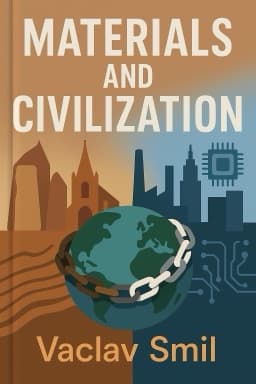
Medieval Marvels and Industrial Might: How Materials Built Empires and Industries
Uncover the secrets behind ancient monuments and industrial breakthroughs that transformed material civilization.

From the elegant arches of Roman aqueducts spanning valleys to the soaring spires of medieval cathedrals adorned with flying buttresses, ancient and medieval societies demonstrated extraordinary mastery of materials and engineering.
The transition from bronze to iron metallurgy revolutionized tools and weapons, enabling stronger, more durable implements that supported agriculture, warfare, and construction. Iron smelting demanded mastery of high-temperature furnaces and carbon control, innovations that propelled societies forward.
The industrial revolution marked a dramatic leap. Coal powered steam engines and blast furnaces, enabling mass steel production through processes like the Bessemer method. Steel replaced iron in bridges, railways, and buildings, vastly increasing strength and durability. Textile mills mechanized production with spinning jennies and power looms, fueling urban growth and new material demands.
These achievements laid the foundation for the modern material civilization. Understanding this history reveals how material mastery shaped societies and economies, a legacy that continues to evolve in today’s technological age.
Our journey continues into the complexities of dematerialization and the paradoxes of using less by doing more.
Want to explore more insights from this book?
Read the full book summary