
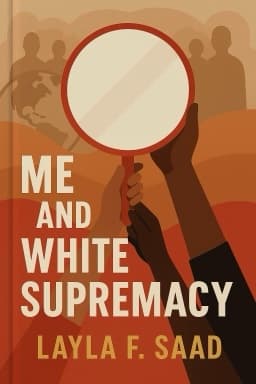
The Myth of Color Blindness: Why Ignoring Race Only Deepens the Divide
Why saying 'I don't see color' is actually a barrier to racial healing and justice.

Many people believe that the best way to combat racism is to adopt a stance of color blindness—claiming not to see race at all. While this may sound noble,
Imagine a classroom where children are asked to draw self-portraits. Some colors are vibrant and true to life, while others are faded or erased to make everyone appear the same. This metaphor illustrates the harm of color blindness—it denies the reality of racial identity and the histories embedded within it.
Anti-Blackness, a specific form of systemic racism, manifests uniquely across different groups within the Black community. Black women are often stereotyped as angry or overly strong, denying their full humanity. Black men face criminalization and hyper-surveillance, leading to disproportionate encounters with law enforcement. Black children are adultified—perceived as older and less innocent—resulting in harsher discipline and fewer protections.
These realities are not abstract; they affect health, education, and social outcomes. For example, Black women face maternal mortality rates several times higher than their white counterparts, a tragic consequence of systemic bias. Recognizing and honoring racial identity is essential to addressing these inequities.
Rejecting color blindness and embracing racial identity opens pathways to honest conversations, empathy, and systemic change. It is a necessary step toward healing the deep wounds inflicted by centuries of anti-Blackness and racism.
Sources: 1 , 2 , 3
Want to explore more insights from this book?
Read the full book summary