
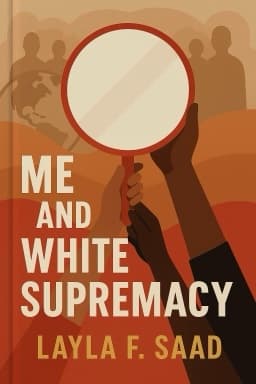
When Culture Becomes a Costume: The Hidden Harm of Stereotypes and Appropriation
How stealing culture and spreading stereotypes keep systemic racism alive.

Racist stereotypes and cultural appropriation are two powerful masks that white supremacy wears to maintain its grip on society.
Cultural appropriation takes this dynamic further by allowing dominant groups to adopt elements of marginalized cultures—such as hairstyles, language, music, or clothing—without understanding or respecting their origins. This often results in the erasure of cultural significance and the exploitation of these elements for profit or social status.
Consider how African American Vernacular English (AAVE) is policed differently depending on who speaks it. When Black people use AAVE, they are often stigmatized as uneducated or 'ghetto.' Yet, when white people adopt AAVE, they are frequently praised as 'cool' or 'woke.' This double standard exemplifies the power imbalance inherent in cultural appropriation.
Recognizing these patterns challenges us to reflect on our own behaviors and the societal structures that enable them. It calls for respectful cultural exchange, centering marginalized voices, and actively resisting the commodification and distortion of culture.
Sources: 1 , 3 , 4
Want to explore more insights from this book?
Read the full book summary