
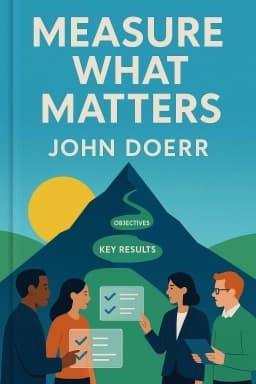
Why Your Team is Failing Without OKRs: The Hidden Truth CEOs Don’t Tell You
Unmask the common pitfalls that sabotage your team’s success and how OKRs can save the day.

Uncovering the Silent Killers of Team Performance
It’s a familiar story: teams working long hours, pouring energy into projects, yet falling short of expectations. Why does this happen? The answer often lies beneath the surface — in unclear priorities, disconnected goals, and lack of real accountability.
Without a clear framework, teams can become overwhelmed by competing demands. When everyone is pulling in different directions, progress stalls. Traditional top-down goal setting often cascades objectives rigidly, leaving little room for frontline input or adaptation. This rigidity stifles creativity and marginalizes valuable contributors.
Enter OKRs — a framework designed to bring clarity and alignment. By limiting objectives to a few vital priorities and making them transparent across the organization, OKRs create a shared focus. Teams understand how their work contributes to larger goals, enabling better collaboration and motivation.
But setting goals is only half the battle. Many organizations rely on annual reviews that come too late to influence outcomes. OKRs emphasize frequent check-ins and objective grading, promoting a culture of honest assessment and continuous improvement. This approach reduces fear of failure and encourages experimentation.
Continuous performance management complements OKRs by fostering ongoing feedback and recognition. This human-centered approach builds trust and engagement, turning goals into living commitments rather than static documents.
Organizations that have embraced OKRs report dramatic improvements in focus, morale, and productivity. A health tech startup, for example, overcame siloed teams and low engagement by embedding OKRs within a culture transformation effort focused on openness and collaboration.
To avoid the pitfalls that cause teams to fail, it’s essential to adopt a system that balances clear focus with flexibility, transparency with psychological safety, and ambition with accountability. OKRs provide that balance.
Next, discover how to craft your own OKRs that inspire and deliver measurable impact.
Want to explore more insights from this book?
Read the full book summary