
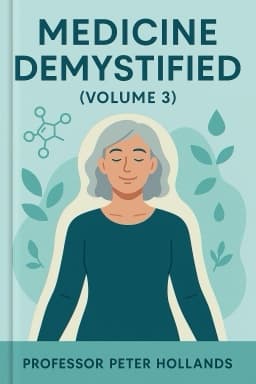
Menopause Unveiled: The Truth Behind ‘The Change’ and How to Thrive Beyond It
Discover the real science and empowering truths about menopause that every woman should know.

For many women, menopause is a chapter filled with uncertainty, myths, and sometimes fear. But what if we told you that menopause is not a sudden 'change' but a natural, complex symphony of biological transitions occurring over years? The human body is in constant flux, with millions of chemical and electrical reactions happening every second. Menopause is just one part of this ongoing process, not an abrupt event that signals an end but a transformation that opens new possibilities.
Understanding menopause begins with recognizing its four stages: premature ovarian insufficiency (POI), perimenopause, menopause, and postmenopause. POI can occur unexpectedly due to medical treatments or genetic factors, affecting women under 40. Perimenopause, the transitional phase, lasts on average 3 to 5 years but can vary widely, during which hormone levels fluctuate, causing symptoms like hot flushes, insomnia, and mood swings. Menopause itself is marked by the absence of menstruation for 12 months, typically around age 51, though this varies. Postmenopause follows, with sustained low estrogen levels and increased risks for osteoporosis and cardiovascular issues.
Many women turn to Hormone Replacement Therapy (HRT) to manage symptoms. HRT replaces declining hormones, offering relief from hot flushes, mood disturbances, and vaginal dryness. However, HRT carries risks such as increased chances of blood clots and breast cancer with prolonged use. Delivery methods vary from oral tablets to skin patches and vaginal creams, each with different risk profiles. It's crucial to consult healthcare professionals to tailor treatment to individual needs.
Beyond HRT, lifestyle changes like regular exercise, balanced diet, stress management, and complementary therapies such as acupuncture and herbal remedies can significantly ease menopausal symptoms. Caution is advised with herbal supplements due to potential interactions with medications.
Importantly, menopause does not diminish femininity or identity. Myths suggesting fixed ages or uniform experiences only add to anxiety. Testosterone, often misunderstood as a male hormone, plays vital roles in female health, including bone strength and libido, and its decline is part of the menopausal journey.
By embracing knowledge and support, women can navigate menopause with confidence and grace, transforming it from a feared 'change' into an opportunity for renewal and empowerment.
This comprehensive understanding is supported by recent medical research and evolving therapies, including regenerative medicine approaches that may soon revolutionize menopause management, offering hope beyond symptom control toward tissue regeneration and vitality restoration.
Menopause is a journey, not a destination. With awareness and care, it can be a time of growth and rediscovery.
3 , 4
Want to explore more insights from this book?
Read the full book summary