
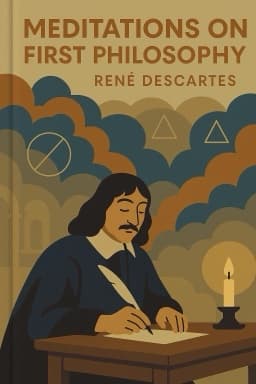
The Healing Power of Philosophy: How Descartes’ Meditations Can Soothe Anxiety and Inspire Growth
Ancient Wisdom for Modern Minds: Using Doubt, Clarity, and Reflection to Find Peace

Ancient Wisdom for Modern Minds: Using Doubt, Clarity, and Reflection to Find Peace
What if philosophy could be your most powerful form of self-care? René Descartes believed that philosophy should not just satisfy curiosity, but heal the mind and guide us toward a life of peace and meaning. His Meditations are a blueprint for managing anxiety, cultivating self-compassion, and growing through adversity.
Descartes’ first lesson is to question your thoughts. Anxiety often comes from believing everything your mind tells you. By doubting your fears and worries—just as Descartes doubted his senses—you create space for new, healthier perspectives.
Next, focus on what is clear and distinct. When overwhelmed, pause and ask: What do I know for sure? What is just noise? This practice, grounded in Descartes’ method, helps you separate fact from fiction and find calm amid chaos.
Finally, honor the unity of mind and body. Descartes teaches that our thoughts and feelings are deeply connected to our physical state. Taking care of your body—through rest, movement, or mindful breathing—can bring clarity and peace to your mind.
Modern research echoes these insights, showing that reflection, self-questioning, and holistic self-care are powerful tools for mental health. Descartes’ Meditations, far from being outdated, offer a gentle, healing path for today’s busy, anxious world.
For more on the healing power of philosophy and Descartes’ legacy, see
1
,
3
.
Want to explore more insights from this book?
Read the full book summary