
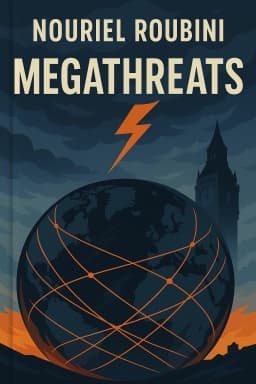
The Debt Crisis You Didn’t See Coming: How Global Borrowing is Setting Us Up for Disaster
Unpacking the towering mountain of global debt and why it threatens every economy on earth

Imagine a colossal mountain looming over the global economy — a mountain made not of rock, but of debt. This mountain has been steadily growing, fueled by decades of easy credit, government stimulus, and the fallout from global crises such as the COVID-19 pandemic. Today, global debt exceeds 350% of the world's gross domestic product, a level never before recorded.
This debt is not just a number; it represents billions of lives, countless businesses, and the future of nations. Take Argentina, for example, a country that has defaulted on its debt nine times. Its experience warns us about the dangers of borrowing in foreign currencies while maintaining a fixed exchange rate. When the peso devalues, the real cost of dollar-denominated debt skyrockets, suffocating the economy.
But Argentina is not alone. The United States now carries debt levels higher than during the Great Depression or even after World War II. While the US can print its own currency, the sheer scale of debt means rising interest rates could trigger a cascade of defaults. Corporations and households have also piled on unprecedented debt, creating a fragile system vulnerable to shocks.
History repeats itself because human nature and policy incentives rarely change. Exuberance inflates bubbles, debt piles up, and crises follow. Yet, optimism blinds us, and lessons go unlearned. Understanding the dynamics of debt accumulation and its risks is essential to navigating the treacherous waters ahead.
As we continue this journey, we will explore how bailouts intended to save economies often deepen debt problems, creating 'zombie' companies that drain productivity. Stay with us as we unravel the next chapter in this unfolding story.
Want to explore more insights from this book?
Read the full book summary