
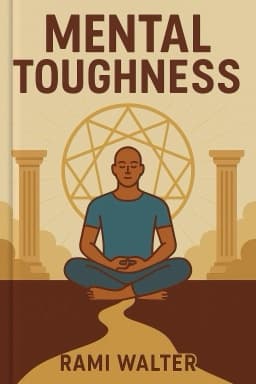
Why Stoicism and the Enneagram Are Taking Over Modern Self-Help (And What You’re Missing)
Explore the reasons behind the global revival of ancient wisdom and personality science.

Explore the reasons behind the global revival of ancient wisdom and personality science.
In the past decade, the self-help landscape has been transformed by two unlikely heroes: Stoicism, a philosophy from ancient Greece and Rome, and the Enneagram, a mysterious personality system with roots in mysticism and mathematics. Why are these old ideas suddenly everywhere—from bestsellers to podcasts and even corporate boardrooms?
The answer lies in their practicality. Stoicism offers actionable advice for managing stress, building resilience, and finding meaning in the everyday. Its teachings are at the heart of many modern therapy methods, including cognitive behavioral therapy (CBT). Meanwhile, the Enneagram provides a language for understanding ourselves and others, making it easier to navigate relationships and personal growth.
Online communities have sprung up around both systems, where people share daily practices, insights, and success stories. Therapists, coaches, and business leaders are using these tools to foster well-being and teamwork. The appeal is universal: whether you’re a stressed-out executive, a student, or a parent, you’ll find practical tips for living better.
But what are you missing if you ignore these trends? Simply put: a toolkit for thriving in a chaotic world. These systems teach that happiness is not about escaping pain but learning how to respond to it. They offer hope and structure for anyone seeking more meaning, connection, and joy.
Don’t let the ancient roots fool you—Stoicism and the Enneagram are more relevant than ever. Their blend of timeless wisdom and modern science is the reason they’re not just a fad, but a movement that’s here to stay.
Want to explore more insights from this book?
Read the full book summary