
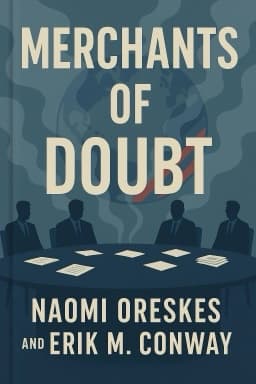
From Tobacco to Climate: The Secret Network Behind Science Denial
Tracing the Hidden Web of Influence That Shaped Public Debate for Generations

Tracing the Hidden Web of Influence That Shaped Public Debate for Generations
Behind every major controversy in modern science, there is a network—a web of individuals and institutions dedicated to shaping public perception. 'Merchants of Doubt' uncovers this hidden world, showing how a small group of scientists, often with backgrounds in Cold War physics, became the go-to experts for industries facing regulation. Their journey began with tobacco, where their scientific credentials and media savvy helped the industry keep the dangers of smoking in doubt for decades. When environmental issues like acid rain and the ozone hole emerged, these same figures, now affiliated with influential think tanks, shifted their focus, using their authority to question new threats to industry profit.
The blog details how think tanks like the George C. Marshall Institute and Heritage Foundation provided platforms for these experts, while PR firms orchestrated campaigns to maximize their visibility. Legal strategies included funding research to create alternative explanations and compiling expert lists for courtrooms and congressional hearings. The machinery was adaptable, moving seamlessly from one issue to the next. The same tactics—and often the same people—reappear in modern debates over climate change, vaccines, and pollution, revealing a persistent legacy of manufactured doubt.
By exposing these connections, the blog encourages readers to look beyond surface debates and question the origins of dissenting voices. Recognizing the patterns of denial is the first step in defending against them. As new controversies arise, the lessons of the past offer a guide for navigating the fog of misinformation and ensuring that science serves the public good, not private interests.
1
3
4
Want to explore more insights from this book?
Read the full book summary