
From Garages to Greatness: The Untold Stories of Innovation Born in Chaos
How the World’s Greatest Inventions Emerged from the Messiest Places

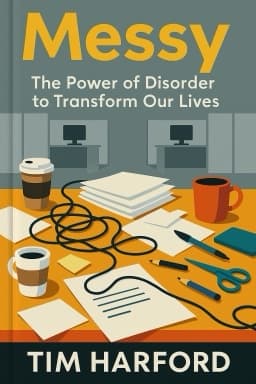
Think of the world’s most successful companies and groundbreaking inventions. Now, picture where they started—not in gleaming towers, but in cluttered garages, noisy dorm rooms, and forgotten buildings. Tim Harford’s 'Messy' reveals that these chaotic environments are not obstacles, but catalysts for creativity.
Take MIT’s legendary Building 20: a temporary structure so ugly and neglected that its occupants could drill holes, rearrange walls, and experiment at will. The result? An explosion of innovation, from the invention of email to Nobel-winning physics. The freedom to adapt the space, to make a mess, and to collaborate across disciplines created a hotbed of creativity.
Similarly, many tech giants began in garages filled with makeshift desks and improvised solutions. The lack of resources forced founders to innovate, to hack together prototypes, and to learn from failure. These stories remind us that messiness is not a sign of weakness, but of possibility.
If you dream of building something great, don’t wait for the perfect office. Start where you are, embrace the mess, and let creativity take root in the cracks. The next world-changing idea might just be waiting in your basement.
References: Harford, T. (2016). Messy: The Power of Disorder to Transform Our Lives.
2
3
Want to explore more insights from this book?
Read the full book summary