
Improvisation: The Ultimate Life Skill You Never Learned in School
How Saying 'Yes, And...' Can Change Your Career, Creativity, and Confidence

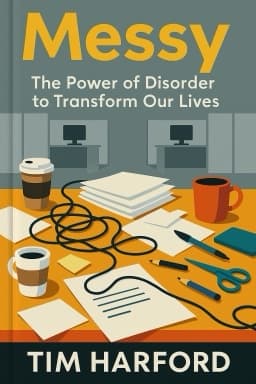
Life rarely goes according to plan. That’s why the ability to improvise—to adapt, create, and thrive in uncertainty—is one of the most valuable skills you can develop. Tim Harford’s 'Messy' shows that improvisation is not just for artists or performers; it’s essential for anyone who wants to succeed in a complex, fast-changing world.
When you improvise, the brain’s inner critic quiets down, allowing you to respond authentically and creatively. The 'yes, and...' principle—accepting what’s offered and building on it—lies at the heart of improvisational theater, jazz, and even successful business meetings. This mindset encourages collaboration, risk-taking, and innovation.
Consider the business leader who ditches the script during a crisis, or the teacher who adapts her lesson on the fly to answer a student’s unexpected question. These moments of improvisation often lead to breakthroughs and deeper connections.
Failing is part of the process. Each mistake is a chance to learn, pivot, and grow. Embracing this messiness—letting go of the need for perfection—can make you more resilient, creative, and ready for whatever comes next.
References: Harford, T. (2016). Messy: The Power of Disorder to Transform Our Lives.
1
2
Want to explore more insights from this book?
Read the full book summary