
Why Messy Desks Make Millionaires: The Surprising Science Behind Creative Chaos
Unlocking the Hidden Power of Disorder in Your Creative Life

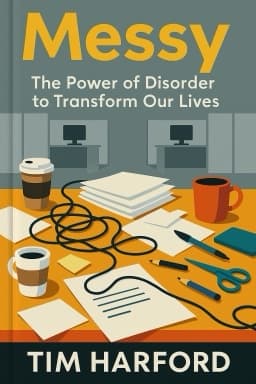
Have you ever looked at your cluttered desk and felt a pang of guilt? The world tells us that order equals productivity, that a tidy workspace is the hallmark of a focused mind. But what if the opposite is true? What if the mess on your desk is actually a sign of a mind brimming with ideas, ready to leap into creative action? In his provocative book, 'Messy: The Power of Disorder to Transform Our Lives,' Tim Harford argues that chaos is more than just tolerable—it’s a vital ingredient for success in work, art, and innovation.
Take the legendary jazz concert played on a piano so broken that the musician had to improvise every note. The result? A performance so unique and electrifying that it became the best-selling solo jazz album in history. Or consider the countless startups that began in garages, surrounded by clutter and half-finished prototypes, where the freedom to experiment led to world-changing inventions.
Science backs this up: studies show that people allowed to personalize and even clutter their workspace are up to 30% more productive and creative than those forced into sterile, minimalist environments. The mess forces us to adapt, to improvise, and to see connections others might miss.
Harford’s research reveals that even our brains work differently in messy environments. When we’re surrounded by a little chaos, we’re more likely to think outside the box, to take risks, and to stumble upon serendipitous solutions. It turns out that the world’s greatest minds—from Einstein to Steve Jobs—were not neat freaks. Their genius thrived in the fertile soil of disorder.
So the next time you’re tempted to clear your desk before starting a new project, pause and consider: maybe that pile of notes, those scattered sketches, and even that half-empty coffee cup are exactly what you need to spark your next big idea. Embrace the mess. Your million-dollar moment might be hiding in the clutter.
References: Harford, T. (2016). Messy: The Power of Disorder to Transform Our Lives.
1
2
Want to explore more insights from this book?
Read the full book summary