
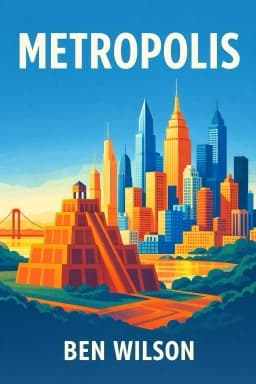
The Hidden Power of Informal Cities: How Slums and Street Markets Drive Urban Resilience
Discover the vibrant, often overlooked economies and communities that sustain the world’s fastest-growing cities.

Often overlooked or stigmatized, informal settlements and economies are the beating heart of many megacities. These communities demonstrate remarkable resilience and ingenuity, crafting livelihoods and social networks from limited resources.
Otigba Computer Village is a prime example, where thousands of entrepreneurs generate millions daily selling and repairing electronics. This informal tech hub drives economic growth and technological adoption in a context often neglected by formal institutions.
In Rio de Janeiro’s favelas, literacy rates have soared from 21% to over 90%, reflecting significant social progress. Community initiatives improve education, health, and mutual support, challenging stereotypes of slums as hopeless places.
Informal economies operate outside formal regulation but are vital to urban life, providing jobs, fostering social cohesion, and driving innovation. They reveal the capacity of urban residents to self-organize and adapt in the face of adversity.
Recognizing and integrating these informal dynamics into urban planning is essential for building resilient, inclusive, and sustainable cities of the future.
Want to explore more insights from this book?
Read the full book summary