
Why Index Funds Are the Real Secret to Building Wealth (And How to Start Today)
The Easiest, Most Reliable Path to Financial Freedom—Backed by Data and Stories

The Easiest, Most Reliable Path to Financial Freedom—Backed by Data and Stories
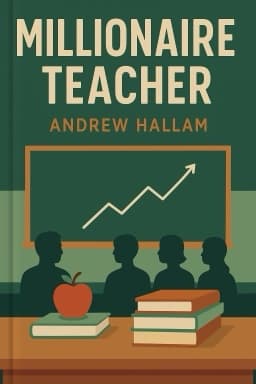
When it comes to investing, the noise can be overwhelming. Financial news, hot stock tips, and endless fund options create confusion and anxiety. Andrew Hallam’s 'Millionaire Teacher' cuts through the clutter with one clear message: Index funds are your best bet for long-term wealth. But what exactly are index funds, and why do they work so well?
An index fund is a basket of stocks designed to match the performance of a market index, like the S&P 500. Instead of trying to pick winners or time the market, index funds own a little bit of everything, keeping costs incredibly low. Hallam shows that, over decades, index funds outperform the vast majority of actively managed funds—not because they’re smarter, but because they’re cheaper and more consistent.
The blog walks readers through the math: even a 1% difference in fees can cost you hundreds of thousands over a lifetime. Hallam’s real-life examples include teachers and nurses who quietly built wealth by ignoring the hype and sticking with index funds. The blog also explains the benefits of automatic investing, how to set up your first account, and why you should rebalance occasionally but avoid constant tinkering.
For those new to investing, the article provides a step-by-step guide: choose a reputable provider, pick a broad-market index fund, set up automatic contributions, and then do... nothing. That’s right—the less you do, the better your results will likely be. Hallam’s research and stories prove that patience, not brilliance, is the real secret.
In summary, index funds are the ultimate 'set it and forget it' solution for building wealth. They’re accessible, low-stress, and proven to work. If you want to take control of your financial future, start with an index fund—and let time and compounding do the rest.
Want to explore more insights from this book?
Read the full book summary