
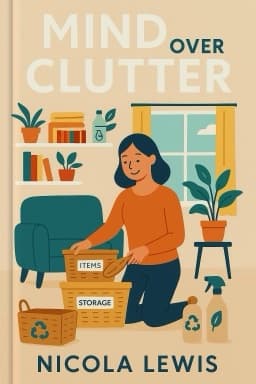
10 Surprising Ways Clutter is Secretly Draining Your Energy (And How to Reclaim Your Calm!)
Discover the hidden connections between your environment and your well-being—and actionable steps to create a sanctuary at home.

Have you ever walked into your living room and instantly felt your shoulders tense, your mind scatter, and your mood drop? You’re not alone. Science now confirms what many of us have long suspected: clutter isn’t just an eyesore—it’s a silent energy thief, quietly sapping your motivation, focus, and even your joy.
Research shows that cluttered environments elevate cortisol, the stress hormone, making it harder to relax, sleep, or even think clearly. Every pile of paper, overflowing closet, or messy kitchen counter acts as a tiny visual reminder of unfinished business, and these micro-stressors add up. In fact, studies have found that people in cluttered homes are more likely to experience fatigue, anxiety, and even depression. But here’s the good news: you can take back control—one small step at a time.
Start Small, Celebrate Progress
One of the biggest mistakes people make is thinking they need to overhaul their entire home in a weekend. The truth is, sustainable change begins with tiny, consistent actions. Whether it’s clearing a single drawer or making your bed each morning, these micro-habits build momentum and boost your confidence. Keep a checklist and savor each tick—progress, not perfection, is what matters.
Teamwork Makes Tidying Joyful
Enlist the help of family or friends. Decluttering together not only lightens the load but also turns a solitary chore into a shared ritual. Children can learn responsibility by sorting toys, while partners can offer a fresh perspective on what stays and what goes. Celebrate your victories together—every clear corner is a win.
Room-by-Room Transformation
Each room has its own rhythm and purpose. Bedrooms thrive on calm and order, while kitchens benefit from zones and labeled containers. Involve kids in organizing their spaces, and revisit each room regularly to keep clutter at bay. The four-pile method (Keep, Donate, Bin, Sell) can help you make confident decisions, reducing regret and second-guessing.
Eco-Friendly Cleaning: Kindness for Home and Planet
Swap harsh chemicals for homemade cleaners using lemon, vinegar, and baking soda. Add a few drops of essential oil for natural scent and antibacterial power. Use glass spray bottles and washable cloths to cut down on waste. Eco-friendly routines are not only safer for your family but also for the earth.
Upcycling and Giving Back
Letting go doesn’t mean sending everything to landfill. Upcycle jars into storage, boxes into organizers, and donate clothes or toys to local charities. The act of giving not only helps others but also brings a sense of liberation and joy to your own life.
Decluttering On-the-Go
Organization isn’t just for the home. Use packing cubes and checklists when traveling, and maintain small routines—like unpacking right away or tidying up hotel rooms—to bring a sense of calm wherever you go.
Sustaining the Calm
Decluttering is a lifelong practice. Small, regular routines outlast bursts of motivation and help you maintain a peaceful, joyful home. Your progress can inspire friends and family, creating a ripple effect of positive change. Remember: it’s not about strict minimalism, but about creating space for what you love—relationships, creativity, and rest.
By embracing these gentle, sustainable habits, you’ll not only reclaim your energy but also transform your home into a true sanctuary—one small, joyful step at a time.
Want to explore more insights from this book?
Read the full book summary