
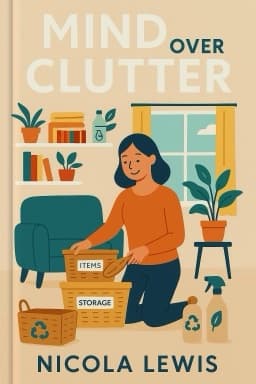
From Chaos to Calm: The Science Behind Clutter and How to Break Free
Explore the fascinating psychology of clutter—and the evidence-based strategies that actually work.

Why does a messy house make us feel so frazzled? Neuroscience reveals that our brains are wired to seek order—visual clutter competes for our attention, leading to decision fatigue and chronic stress. Studies show that cluttered spaces are linked to higher cortisol levels, sleep disturbances, and even strained relationships.
But there’s hope. Research-backed strategies, like the ‘one-touch rule’ (handling items only once), habit stacking (linking new routines to existing ones), and the four-pile method (Keep, Donate, Bin, Sell), help make decluttering less overwhelming and more sustainable.
Routine is more powerful than motivation. Small, regular tidying sessions are easier to maintain and prevent clutter from taking over again. Social support also plays a key role—many people are inspired to keep going when they share their progress with friends or join online communities.
Ultimately, breaking free from clutter is about understanding your habits, being kind to yourself, and celebrating every step toward a calmer, happier life.
Want to explore more insights from this book?
Read the full book summary