
7 Mind-Blowing Shifts That Will Change Your Life Forever (and They're Easier Than You Think!)
Unlock the power of small shifts for massive transformation.

Unlock the power of small shifts for massive transformation
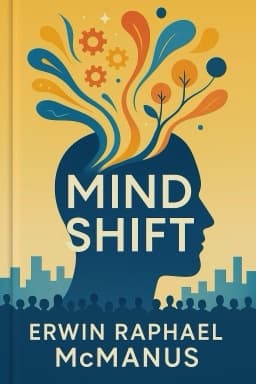
Imagine waking up tomorrow with the power to rewrite your story. That’s the promise of Erwin Raphael McManus’s 'Mind Shift,' a book that has inspired thousands to rethink what’s possible—not by making huge leaps, but by embracing simple, radical shifts in how we see ourselves and our world. In this deep dive, we’ll explore seven lessons that will help you break free from invisible barriers, nurture relationships, and build a life of meaning and resilience.
First, let’s talk about the architecture of your mind. Most of us live in houses built by other people’s expectations: parents, teachers, society. We rarely question the rooms we inhabit. But McManus argues that real change begins by recognizing—and then redesigning—these mental structures. For example, one reader shared how, after decades of believing they weren’t creative, a single mind shift led them to start painting, unlocking a passion that had been dormant since childhood.
But what’s the point of a beautiful house if it’s empty? The second mind shift is all about people. Research and stories alike confirm that possessions and experiences are hollow without meaningful relationships. As McManus notes, 'Life is about relationships.' Whether it’s a friend who stands by you during tough times or a family dinner filled with laughter, people are the true measure of a life well-lived.
Of course, not everyone is meant to walk with you forever. Growth often means letting go of relationships that no longer serve your vision. This can be painful, but it’s essential for progress. One powerful story from the book describes an entrepreneur who had to part ways with a beloved business partner to pursue a new direction. The result? Both individuals flourished, finding new circles that supported their dreams.
The fourth shift is perhaps the hardest: acting on your vision before anyone else believes. History is filled with pioneers who faced ridicule and doubt—until they succeeded. McManus encourages readers to become their own proof, to step out in faith even when the world can’t see what they see. This isn’t just motivational fluff; it’s backed by countless examples, from inventors to artists who changed the world by going first.
But what about the ceilings we hit? Here’s where the fifth shift comes in: recognizing that most limitations are self-imposed. We tell ourselves stories about what we can and can’t do, often based on past failures or inherited beliefs. The book is filled with stories of people who broke through these ceilings—not because circumstances changed, but because they did. Taking responsibility is the first step to freedom.
As you grow, you’ll realize that talent is never enough. The sixth shift is about grit and character. Research cited in the book shows that perseverance and resilience are better predictors of success than raw ability. Readers have shared how embracing this truth helped them overcome setbacks and keep moving forward, even when talent alone wasn’t enough.
Finally, the seventh shift is about letting go of bitterness. Holding onto past hurts poisons your future. Forgiveness, as McManus writes, is the ultimate act of self-care. It’s not about excusing others, but about freeing yourself to move forward. One reader described how forgiving a former friend lifted a weight they didn’t know they were carrying, opening the door to new relationships and opportunities.
In conclusion, 'Mind Shift' isn’t just a book—it’s a blueprint for transformation. By making these seven shifts, you can break free from your past, build deeper connections, and create a future filled with purpose and joy. Ready to shift your mind? The journey starts now.
Want to explore more insights from this book?
Read the full book summary