

Why Your Negotiation Fails: The Emotional Hijack You Never Saw Coming
Unmask the emotional traps sabotaging your deals and learn how to regain control.
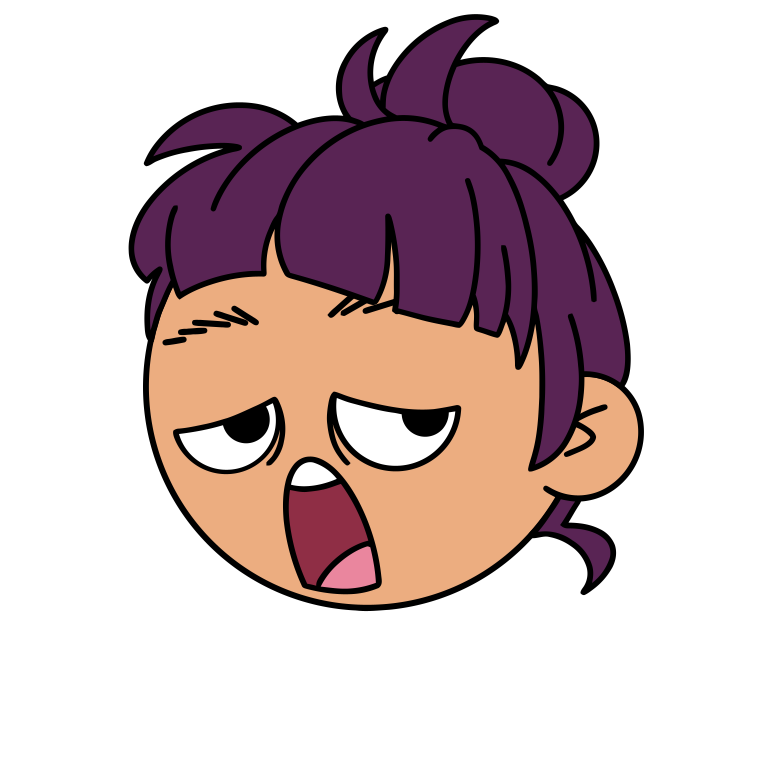
Have you ever walked into a negotiation fully prepared, only to find yourself suddenly overwhelmed, freezing up or reacting impulsively? You’re not alone.
The ego, that persistent inner voice, evolved as a survival tool. It interprets social challenges as threats, triggering fight, flight, or freeze responses. In modern negotiations, these reactions are often misfires—your brain responding as if your livelihood or dignity were literally at stake. The result? You might say things you regret, miss critical cues, or back down prematurely.
Suppressing these emotions, as many are taught to do, only compounds the problem. Research shows that hiding feelings increases stress hormones like cortisol, leading to burnout and impaired decision-making. Instead, the key lies in recognizing and accepting your emotions without judgment.
Mindfulness offers this key. By cultivating awareness of your internal state, you can observe your emotions as passing experiences rather than commands. This awareness activates the frontal lobe, enabling you to slow down and choose your responses consciously.
Consider the story of a negotiator who faced a hostile counterpart. Initially overwhelmed by fear, she learned to identify the ego’s voice fueling her panic. Through mindfulness, she practiced observing her fear with curiosity and compassion. This shift allowed her to respond calmly, turning a potential conflict into a collaborative dialogue.
Understanding emotional hijacking transforms how you approach negotiation. It is not about suppressing feelings but embracing them with kindness and awareness. This shift opens the door to emotional mastery, improved relationships, and successful outcomes.
Explore further how to harness mindfulness to overcome these emotional traps and reclaim your power at the negotiation table. Your next negotiation could be your best yet.
Want to explore more insights from this book?
Read the full book summary