
Mindfulness Myths Busted: What Most People Get Wrong (And How to Get It Right)
Think mindfulness is just sitting still and emptying your mind? Think again.

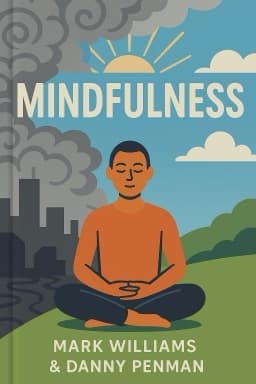
Despite its popularity, mindfulness is often misunderstood. Let’s bust the top myths and set the record straight, using insights from ‘Mindfulness: An Eight-Week Plan for Finding Peace in a Frantic World.’
Myth #1: Mindfulness Is Religious
While mindfulness has roots in ancient traditions, the book’s approach is secular and grounded in science. Anyone—regardless of belief—can benefit.
Myth #2: You Have to Meditate for Hours
Most daily practices in the eight-week program are just 10–20 minutes. Even a one-minute breathing exercise can make a difference.
Myth #3: Mindfulness Means Emptying Your Mind
Mindfulness is about noticing thoughts, not erasing them. The goal is to observe with curiosity, not force silence.
Myth #4: It’s Only for Calm People
Mindfulness is designed for busy, stressed, and even skeptical people. In fact, those who struggle the most often benefit the most.
Myth #5: You Need Special Equipment
All you need is a few minutes and an open mind. No fancy cushions required!
How to Get It Right
Start small. Be patient with yourself. Remember, mindfulness is a skill—like riding a bike—it gets easier with practice. The key is consistency, not perfection.
Ready to try? Pick one simple exercise from the book—like the Raisin Meditation or the Three-Minute Breathing Space—and see what happens. You might be surprised by how much you notice, and how quickly you feel the benefits.
Want to explore more insights from this book?
Read the full book summary