
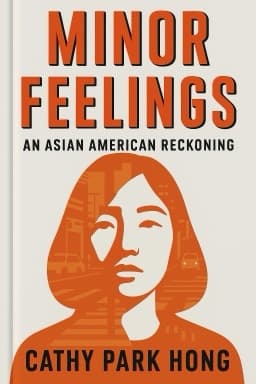
Breaking the Silence: How 'Minor Feelings' Challenges the Model Minority Myth and White Innocence
An in-depth look at how Cathy Park Hong dismantles racial myths and exposes emotional truths.

At the heart of Cathy Park Hong’s Minor Feelings lies a bold challenge to two pervasive constructs that shape racial discourse in America: the model minority myth and white innocence. These concepts, Hong argues, work in tandem to obscure the realities of systemic racism and to silence the emotional truths of Asian American lives.
The model minority myth paints Asian Americans as uniformly successful, hardworking, and compliant, a narrative that Hong reveals as a political tool designed to uphold capitalist values and undermine other minority struggles. This myth flattens diverse experiences into a monolith, erasing the struggles of working-class Asians and those who do not fit the stereotype.
White innocence, on the other hand, is not mere ignorance but an active refusal to acknowledge racial privilege and systemic oppression. Hong describes it as a cognitive blindness that protects white individuals from confronting uncomfortable truths, fostering denial and defensive backlash that perpetuate racial hierarchies.
Hong’s essays weave personal narrative with cultural critique, illustrating how these myths inflict emotional harm. The 'minor feelings'—shame, melancholy, irritation—are the emotional residue of living under these oppressive narratives. Through language and art, including the deliberate use of 'bad English' and stand-up comedy, Asian Americans resist these confines and reclaim their voices.
The emotional dynamics of shame and contempt play a significant role in racial interactions. Shame can either catalyze self-reflection or provoke defensive contempt, which often manifests as resistance to racial dialogue and justice. Understanding these dynamics is crucial for dismantling systemic racism.
Finally, Hong emphasizes the importance of intersectionality, recognizing the multiple and overlapping identities within Asian American communities. This complexity challenges simplistic stereotypes and calls for inclusive approaches to social justice.
Minor Feelings is a clarion call to break the silence around these issues, to confront uncomfortable truths, and to embrace the emotional realities that foster healing and solidarity.
For those seeking to understand the nuanced intersections of race, identity, and emotion, Hong’s work is indispensable. Detailed reviews and analyses from Yale Review, LitCharts, SuperSummary, and The Georgia Review provide further depth and context.
Want to explore more insights from this book?
Read the full book summary