
The Hidden Power of Public Investment: Why Government Must Lead Innovation
How Strategic Government Spending Can Unlock Breakthroughs and Build a Fairer Economy

How Strategic Government Spending Can Unlock Breakthroughs and Build a Fairer Economy
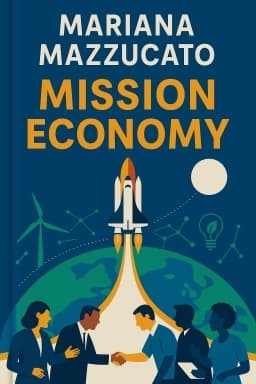
Public investment is often misunderstood as mere spending or welfare, but Mariana Mazzucato’s Mission Economy redefines it as the engine of innovation and economic renewal. Governments have the unique capacity to absorb risks, set bold missions, and fund projects with long-term societal benefits that private investors avoid.
The Apollo program, costing $28 billion in 1960s dollars (about $283 billion today), exemplifies this approach. Despite its scale, it represented only about 1.1% of federal outlays over 13 years—less than other major programs. Traditional cost-benefit analyses would likely have rejected it due to its upfront costs and uncertain returns, but the outcome-based budgeting model prioritized societal goals.
Flexible procurement contracts aligned incentives toward innovation and accountability, fostering trust between government and industry. Public investment catalyzed private sector growth, especially in emerging fields like pharmaceuticals, where most blockbuster drugs originated from publicly funded research.
These lessons are vital today as nations confront climate change, pandemics, and digital divides. Governments must act as entrepreneurial investors, shaping markets that deliver public value and equitable growth. This requires political will, strategic vision, and cultural shifts toward valuing long-term outcomes over short-term costs.
By embracing mission-oriented finance and purposeful partnerships, we can build resilient economies that innovate inclusively and sustainably.
In upcoming posts, we will explore governance reforms and citizen participation that complement this financial transformation.
Sources: The Guardian, LSE Review of Books, NSER Review, Amazon reader insights 1 2 3 4
Want to explore more insights from this book?
Read the full book summary