
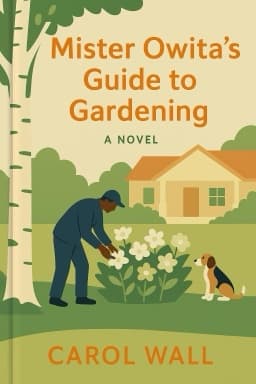
Cross-Cultural Friendships That Changed Lives: Lessons From an Unlikely Garden
How an unexpected friendship in a garden teaches us to embrace difference and grow together.

In today’s diverse world, building meaningful friendships across cultural lines is both a challenge and an opportunity. This story of a gardener from Kenya and a homeowner from the U.S. reveals how such connections can transform lives and communities.
At the heart of this friendship is cultural humility—the willingness to recognize one’s biases and learn from another’s perspective. The gardener brings stories of his Luo heritage, ancestral reverence, and faith, while the homeowner shares her own cultural background and struggles. Their conversations, sometimes tentative, always respectful, build trust and understanding.
Shared values like kindness, respect, and the desire to nurture life serve as common ground. They learn that friendship is not about erasing differences but about embracing them as opportunities for growth. The gardener’s gentle tending of plants once seen as unwanted becomes a metaphor for patience and acceptance in their relationship.
Research shows that cross-cultural friendships reduce prejudice and increase empathy. By engaging openly and vulnerably, individuals challenge stereotypes and build bridges across divides. These relationships also provide emotional support and enrich personal identity.
This blog invites you to consider your own potential for cross-cultural friendship. What assumptions might you let go of? How might you open your heart to new perspectives? The story encourages us to lean into discomfort and uncertainty, trusting that kindness and curiosity will guide the way.
In a world longing for connection, such friendships are seeds of hope—nurturing understanding, healing, and shared humanity.
Sources: Life-Changing Cross-Cultural Friendships by Gary Chapman and Clarence Shuler, cross-cultural psychology research, and narratives of friendship and healing. 1 , 3 , 4
Want to explore more insights from this book?
Read the full book summary