
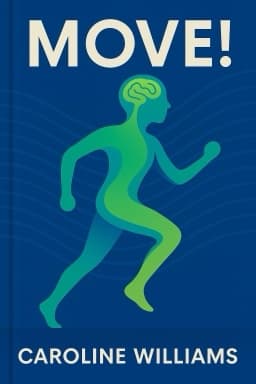
Unlock Your Brain’s Hidden Power: The Surprising Science of Movement and Mind
Discover how simple movements can revolutionize your mental clarity, emotional resilience, and creativity.

Imagine your brain as a dynamic organ built from millions of years of evolutionary dance with movement. From the earliest creatures that needed to swim or crawl to survive, to humans who now run marathons or sway to music, movement has been the foundational language of mind.
Take the humble act of walking. It’s not just exercise; it’s a cognitive enhancer. At around 120 steps per minute, your heartbeat and footsteps synchronize, boosting blood flow and oxygen to your brain. This rhythm quiets the brain’s overactive logical centers, allowing creativity to bloom and memories to sharpen. Walking forward also stretches your mental timeline, helping you distance yourself from negative past experiences and focus on hopeful futures.
Strength training, often associated only with physical fitness, is a potent mental health tool. Grip strength correlates with longevity and brain health, while neural adaptations during weight lifting build confidence and reduce anxiety. Functional movements like crawling and climbing reconnect us to primal survival skills, fostering a deep sense of safety and self-efficacy.
Dance and rhythmic movement unite us on a primal level. Synchronizing steps and claps releases dopamine, blurring self-other boundaries and enhancing social bonds. Even newborns detect rhythm, highlighting its role in human connection. The universal 2Hz beat matches our natural walking pace, making rhythm a shared heartbeat across cultures.
On a cellular level, stretching influences fascia—the body’s connective tissue—acting like a fluid sponge that changes tension and hydration. Fibroblasts release ATP during stretching, helping resolve inflammation and promoting tissue health. This gentle movement calms the nervous system and reduces stress.
Breath is the bridge between body and mind. Brainstem centers control automatic breathing and the sigh reflex, essential for emotional resets. Nasal breathing entrains brainwaves, improving memory and reaction times, while slow breathwork activates the vagus nerve, enhancing relaxation and resilience.
Finally, rest completes this holistic cycle. Beyond sleep, waking rest—quiet moments of mindfulness and stillness—resets attention and emotional balance. Sleep itself clears brain toxins and consolidates memories, essential for long-term health. Modern life’s demands often overshadow rest, but embracing stillness is vital for mental clarity and emotional well-being.
By understanding and integrating these movement-based practices, you unlock the brain’s hidden power to think clearer, feel stronger, and connect deeper. Movement is not just physical; it is the language of life, healing, and growth.
Ready to move forward with renewed clarity? Let your body lead the way.
Want to explore more insights from this book?
Read the full book summary