
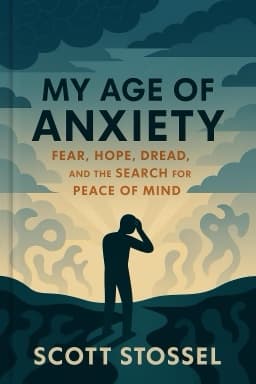
Beyond Pills: Real Paths to Healing from Anxiety
Why there’s no single cure for anxiety—and how you can find what works for you.

For many, the search for relief from anxiety is a winding road. Medications like SSRIs can offer real benefits, especially during acute episodes, but they are rarely the whole answer. Side effects, diminishing returns, and the need for ongoing adjustment mean that pills are just one tool in a much larger toolbox.
Therapy, particularly cognitive-behavioral therapy (CBT), has proven highly effective for many people. CBT helps individuals identify and challenge the thoughts and behaviors that fuel anxiety, building new patterns of resilience. Other approaches, such as exposure therapy and psychodynamic therapy, offer alternative paths to healing.
Self-help strategies are equally important. Mindfulness and meditation can calm the mind and reduce the power of anxious thoughts. Regular exercise, healthy sleep, and social connection all play vital roles in emotional well-being. Creative expression—through art, music, or writing—can also be a powerful outlet for anxiety.
The key is persistence and self-compassion. There is no one-size-fits-all solution. Each person’s journey is unique, shaped by biology, history, and circumstance. The willingness to try, adapt, and seek support is itself a sign of strength. In the next blog, we’ll explore how culture, creativity, and connection can transform anxiety from a private struggle into a source of meaning and growth.
Want to explore more insights from this book?
Read the full book summary