
Is Your Life Stuck in Winter? How to Turn Setbacks into Springtime Success
How to thrive when life feels cold and stagnant—using Jim Rohn’s seasonal wisdom.

How to thrive when life feels cold and stagnant—using Jim Rohn’s seasonal wisdom.
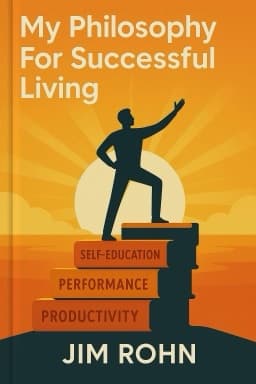
Have you ever felt like your life is frozen in place? Like no matter what you do, nothing grows, and the world seems cold and unwelcoming? Jim Rohn’s 'The Seasons of Life' reminds us that winter is not the end—it’s the beginning of transformation. In nature, winter is a time of rest, reflection, and preparation. The same is true for our lives. Rohn teaches that setbacks, failures, and disappointments are not punishments but invitations to pause, learn, and prepare for the opportunities ahead.
This blog dives deep into the practical ways you can turn your personal winters into a fertile spring. First, embrace reflection. Use journaling to process your experiences and extract lessons from your challenges. Seek out mentors who have weathered their own winters and emerged stronger. Remember, every great comeback story begins with a season of struggle.
Next, focus on rebuilding your philosophy. Winters are the best time to question your beliefs, shed limiting ideas, and plant new seeds of possibility. This is when you decide who you want to become when the thaw arrives. Rohn’s stories of individuals who used adversity as a springboard for achievement are both inspiring and instructive.
Set new goals for the coming season. Even if the world outside looks bleak, your inner landscape can be rich with hope and vision. Write down your dreams, break them into small steps, and celebrate every bit of progress. The act of planning itself brings warmth to the coldest days.
Finally, remember that winter always ends. The discipline and resilience you build now will blossom in ways you cannot yet imagine. By the time spring arrives, you’ll be ready to seize opportunities and grow faster than ever before.
So if you’re feeling stuck, know that you are not alone—and that your winter is the fertile ground for your greatest growth. Use this season to rest, reflect, and prepare, and soon you’ll find yourself stepping into a springtime of abundance and joy.
Want to explore more insights from this book?
Read the full book summary