
Why Learning Your Grandchild’s Language Could Be the Best Gift You Ever Give
How mastering a new language bridges generations and deepens family bonds.

Language is more than a tool for communication; it is the heartbeat of culture and identity. For grandparents, learning their grandchildren’s heritage language—whether it’s Mandarin, Spanish, or another tongue—opens doors to deeper connection and understanding.
Imagine a grandmother carefully pronouncing unfamiliar words, laughing alongside her grandchild as they navigate the sounds together. This shared journey of language learning is a powerful bonding experience. It allows grandparents to participate actively in their grandchildren’s cultural identity, reinforcing traditions and family stories that might otherwise be lost.
Storytelling plays a pivotal role in this process. When children share tales about their day, their dreams, or even imaginary adventures, grandparents who understand their language can respond with encouragement and curiosity. This validation nurtures the child’s confidence and individuality.
Furthermore, bilingualism enriches family life by preserving heritage and fostering inclusivity. Grandparents who embrace this challenge often find themselves revitalized, gaining new skills and perspectives that enhance their relationships beyond language.
Learning a grandchild’s language is not without its hurdles. Pronunciation can be difficult, and cultural nuances may require patience and humility. Yet, the rewards far outweigh the challenges. This endeavor exemplifies the evolving nature of grandparenting—one that values connection, adaptability, and lifelong learning.
By investing in language learning, grandparents gift their grandchildren a bridge to their past and a foundation for their future.
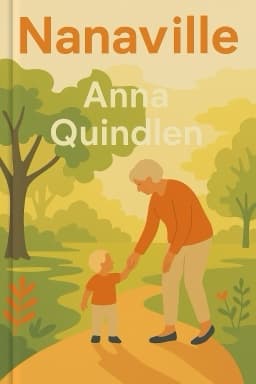
For more insights, Anna Quindlen’s Nanaville and other contemporary works offer heartfelt reflections on language, culture, and family in today’s diverse world. 1 3
Want to explore more insights from this book?
Read the full book summary