
Inside the Ukraine Crisis: Intelligence Leaks, Cyber Attacks, and the Battle for Europe’s Future
A deep dive into the intelligence revelations and cyber battles that have shaped the Ukraine conflict and its global repercussions.

The Ukraine conflict stands as a stark reminder of how modern warfare blends traditional military might with cutting-edge technology and intelligence. In 2021, a massive intelligence leak—dubbed the 'mother lode'—revealed Russia’s detailed plans to invade Ukraine, catching many Western officials off guard despite years of warnings. This unprecedented trove of data included intercepted communications, cyber penetrations, and human informants embedded within the Kremlin’s inner circle.
Russia’s swift annexation of Crimea in 2014 marked the beginning of a new era of aggression, violating international law and reshaping European security. The West responded with sanctions, but limited direct military intervention emboldened further Russian actions in Eastern Ukraine. This conflict has since evolved into a hybrid war, combining conventional combat with cyberattacks and disinformation campaigns.
Cyber warfare has played a pivotal role. Prior to and during military operations, Ukrainian government networks and critical infrastructure faced relentless cyberattacks aimed at disruption and chaos. The 2017 NotPetya malware attack, originating from Russia, spread globally, causing billions in damages and underscoring the destructive potential of digital weapons.
Intelligence agencies, particularly the CIA, rebuilt vital networks within Ukraine and Russia to provide actionable insights. Despite setbacks, including the loss of key informants, these efforts were crucial in anticipating Russian moves and shaping Western support strategies. Private technology companies like Microsoft emerged as unexpected allies, detecting and mitigating cyber threats, showcasing a new model of public-private cooperation in national security.
The NATO alliance revitalized its unity and military preparedness in response to the crisis, increasing exercises and bolstering Eastern European defenses. However, the challenge remains to support Ukraine without provoking a broader conflict that could escalate dangerously.
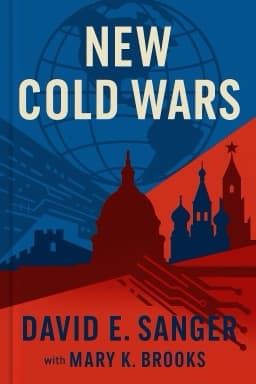
Understanding the Ukraine conflict requires appreciating the complex interplay of historical grievances, strategic calculations, and technological innovation. It is a microcosm of the broader new Cold Wars, where battles are fought on multiple fronts—physical, digital, and ideological.
As the conflict continues to evolve, the lessons learned here will shape the future of warfare, intelligence, and international diplomacy for years to come.
Sources: CSIS Conflict in Focus, Council on Foreign Relations Conflicts to Watch 2025, S&P Global Geopolitical Risks 2025
Want to explore more insights from this book?
Read the full book summary