
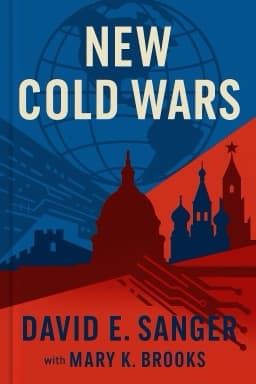
Navigating the New Cold War: Alliances, Ideologies, and the Quest for Stability
Understanding how shifting alliances and ideological battles define the new global order and the pursuit of peace.

The new Cold War is characterized not only by military and economic competition but also by evolving alliances and ideological struggles. NATO, once thought to be in decline, has experienced a resurgence, reaffirming its commitment to collective defense and expanding military exercises in Eastern Europe. This revitalization reflects the alliance’s adaptability in the face of Russia’s assertiveness.
Meanwhile, China and Russia have deepened their strategic partnership, coordinating economic initiatives and military exercises to counterbalance Western influence. Though not a formal alliance, their cooperation presents a complex challenge to global power structures.
The ideological battle between democracy and autocracy plays out across social media platforms and information campaigns. Both sides use digital tools to influence domestic and international audiences, complicating efforts to discern truth and build trust. Authoritarian regimes have shown resilience through technology-enabled control, challenging assumptions about the inevitability of democratic expansion.
Proxy conflicts and hybrid warfare tactics further complicate the security environment, increasing unpredictability and raising the stakes of miscalculation. Nuclear arsenals remain central to deterrence strategies, underscoring the persistent dangers of escalation.
Maintaining global stability requires nuanced diplomacy, crisis management, and innovative cooperation on shared challenges like climate change and pandemics. The interplay of rivalry and collaboration defines this complex era, demanding vigilance and wisdom from world leaders and citizens alike.
Sources: RealClearDefense, Council on Foreign Relations, S&P Global Geopolitical Risk 2025
Want to explore more insights from this book?
Read the full book summary