
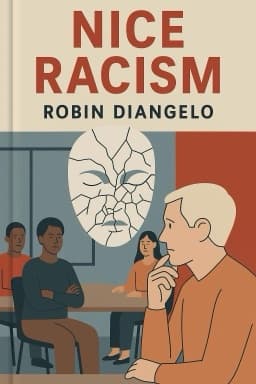
Breaking the Silence: Why White Denial is the Biggest Barrier to Racial Justice
Examining how white denial actively preserves racism and the emotional toll on marginalized communities.

Denial is often misunderstood as a passive refusal to see reality. In the context of systemic racism, white denial is an active, powerful force that preserves racial inequities by blocking awareness and discouraging action.
Denial as Resistance
White denial functions as resistance to acknowledging racial privilege and systemic harm. It protects white comfort by avoiding the discomfort of confronting painful truths.
Emotional Labor on BIPOC Communities
The burden of educating and confronting white denial falls disproportionately on racialized people, leading to exhaustion and burnout, which impedes coalition-building and social progress.
The Social Cost
Denial maintains the status quo by suppressing self-awareness and perpetuating racial hierarchies. It undermines authentic dialogue and collective action.
Moving Beyond Denial
White progressives must embrace discomfort, listen deeply, and accept responsibility to dismantle oppressive systems.
Building Resilience and Relationships
Developing emotional resilience and cultivating radical relationality are essential to sustaining anti-racist work and overcoming denial.
This blog draws on Robin DiAngelo’s analysis and social psychology research to illuminate the challenges and pathways for white progressives committed to breaking the silence and advancing racial justice.
Sources: sobrief.com, goodreads.com, sarahinreaderland.com, dontdivideus.com
Want to explore more insights from this book?
Read the full book summary