
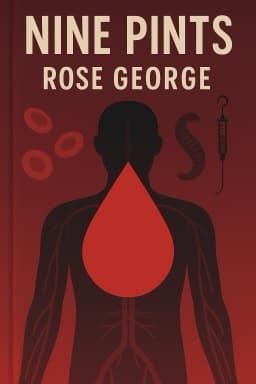
Blood Pioneers: How Visionaries Revolutionized Donation and Transfusion
Meet the brave souls who built the foundation of modern blood donation systems and saved millions of lives.

In the early decades of the 20th century, blood transfusion was a risky and limited procedure, often performed in emergencies with fresh blood. The leap from such precarious beginnings to a reliable, safe blood supply was made possible by visionary pioneers who organized voluntary blood donor panels and established blood depots. These trailblazers recognized that altruistic donation, rather than paid blood sales, was key to safety and sustainability.
One such pioneer founded the first voluntary donor panel in the 1920s, recruiting healthy individuals willing to give blood for strangers. This concept spread rapidly, laying the groundwork for national blood services. Alongside this social innovation came scientific breakthroughs in blood preservation. Discovering how to refrigerate blood, separate it into components, and test it for infections allowed blood to be stored, transported, and used more effectively.
Women played a surprisingly vital role in this transformation. Despite facing gender discrimination and exclusion from clinical roles, female scientists conducted groundbreaking research on anemia and vitamin B12, contributing to hematology’s foundations. Their dedication, often unrecognized at the time, helped save countless lives.
These advances coincided with the establishment of national health systems, embedding blood donation into public health infrastructure. The shift from a chaotic, dangerous practice to an organized, compassionate system exemplifies human ingenuity and care.
As we consider these pioneers' legacies, we must also reflect on the ongoing challenges of maintaining blood supplies globally, a topic we will explore next — the complex realities of blood donation systems around the world.
Sources: Transfusion News, News Medical, LifeBlood, The New Yorker 1 2 3 4
Want to explore more insights from this book?
Read the full book summary