
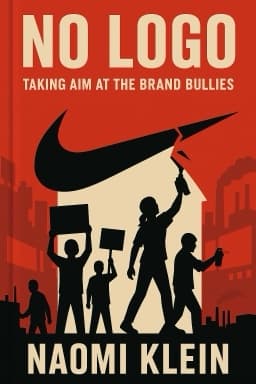
Behind the Logo: The Hidden Human Cost of Your Favorite Brands
What sweatshops and outsourcing reveal about the true price of branded goods.

Every time you purchase a branded product, there's a hidden story of labor and sacrifice that rarely makes the headlines. Many products are made in sweatshops where workers endure long hours, unsafe conditions, and wages as low as two dollars a day. These factories, often located in export processing zones with lax labor laws, rely on vulnerable populations, especially young women, to keep costs down.
The rise of the 'hollow corporation' means that brands no longer own the factories producing their goods. Instead, they outsource production to a complex web of contractors and subcontractors, creating layers of separation that obscure accountability. This strategy allows companies to maintain glossy brand images while distancing themselves from the harsh realities of production.
However, this model faces increasing challenges. Global awareness, fueled by student movements and activist campaigns, pressures brands to adopt codes of conduct and improve transparency. Consumers are beginning to demand ethical practices, recognizing that the true cost of cheap goods often falls on exploited workers.
Understanding these dynamics is essential for responsible consumption and supporting movements that seek justice for laborers worldwide.
Want to explore more insights from this book?
Read the full book summary