
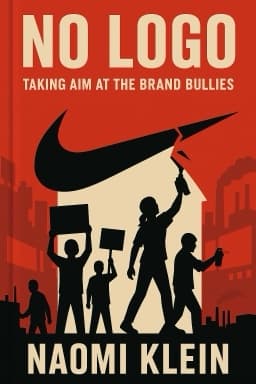
The Secret War for Youth: How Brands Capture Cool and Control Culture
Unmasking the corporate pursuit of 'cool' and its impact on youth identity and culture.

Youth culture pulses with energy, rebellion, and creativity—a fertile ground for brands seeking to stay relevant and profitable. But this is no innocent relationship. Behind the scenes, 'cool hunters' roam urban landscapes, clubs, and schools, searching for the next big trend to package and sell. Their mission? To capture the elusive essence of 'cool' before it slips away.
Once underground, subcultures like hip-hop and skateboarding have become prime targets. Brands such as Nike and Tommy Hilfiger aligned themselves with hip-hop, turning its style and attitude into global fashion phenomena. Sneakers, baggy jeans, and logo-laden caps became symbols not only of cultural pride but also of consumer allegiance.
But this commodification comes with trade-offs. While it can elevate marginalized voices and provide economic opportunities, it risks diluting the original messages and reducing rich cultural expressions to mere marketing gimmicks. Authenticity becomes a commodity, and youth become walking billboards.
Understanding this dynamic is crucial for young people navigating a world where identity and consumption are deeply intertwined. Recognizing the corporate strategies at play empowers youth to reclaim their culture and resist being defined solely by brands.
Want to explore more insights from this book?
Read the full book summary