
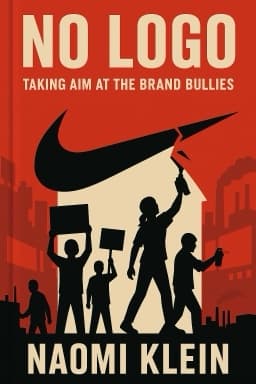
When Schools Sell Out: The Corporate Takeover of Education
How corporate logos invaded classrooms and how students fight back.

Education, once a sanctuary for independent thought and growth, is increasingly becoming a commercialized space. Corporate logos appear on vending machines, posters, and even classroom materials, signaling a shift where learning environments double as marketing platforms.
Schools facing budget constraints enter into contracts with corporations to generate revenue, but these partnerships come with significant implications. Advertising targets impressionable students, potentially shaping their values and consumption habits from an early age. Moreover, corporate influence can subtly steer curricular content, raising questions about the independence and ethics of education.
Students have not accepted this quietly. Across campuses, movements have emerged to resist corporate branding, organizing protests and campaigns that link educational issues with broader struggles against sweatshops and corporate globalization. These young activists understand that education shapes not only knowledge but also citizenship and agency.
Preserving education as a space free from commercial pressures is vital for nurturing critical, independent thinkers capable of challenging corporate dominance in all aspects of life.
Want to explore more insights from this book?
Read the full book summary