
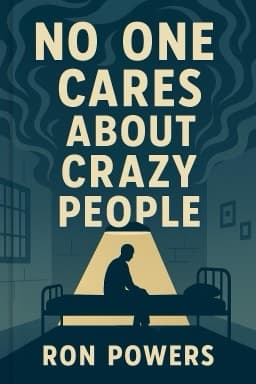
5 Shocking Truths About Mental Illness That ‘No One Cares About Crazy People’ Exposes
What Every Family, Policymaker, and Citizen Needs to Know

What Every Family, Policymaker, and Citizen Needs to Know
1. Mental Illness is Far More Common Than You Think
Schizophrenia alone affects about 1% of the population—a staggering number when you consider the ripple effect on families and communities. Yet, because of stigma, many cases go unreported or untreated. Powers’ narrative makes it clear: mental illness is everywhere, even if we don’t see it.
2. Anosognosia: The Illness That Hides Itself
Many people with severe mental illness do not realize they are sick, a condition called anosognosia. This makes treatment especially challenging, as loved ones struggle to convince someone to accept help. Powers’ family faced this firsthand, with heartbreaking consequences.
3. The Aftermath of Deinstitutionalization
When asylums closed, the promise was community-based care. The reality? Most of the mentally ill were left to fend for themselves, leading to spikes in homelessness and incarceration. The book details how jails and emergency rooms have become the new asylums, with tragic results.
4. The Dilemma of Involuntary Treatment
Balancing civil liberties with the need for intervention is an ongoing struggle. Powers describes the agony of waiting for court orders while a loved one deteriorates, and the ethical battles families face when trying to secure care.
5. Stigma Still Rules
Perhaps the most shocking truth is that stigma remains as powerful as ever. People with mental illness are still blamed, ignored, or feared. The book shows how advocacy, education, and storytelling are slowly changing the narrative—but much work remains.
Conclusion: ‘No One Cares About Crazy People’ is a wake-up call. It asks us to look beyond the labels, to see the people behind the illness, and to demand a system that truly cares. The truths it exposes are uncomfortable, but necessary for real change.
Want to explore more insights from this book?
Read the full book summary