
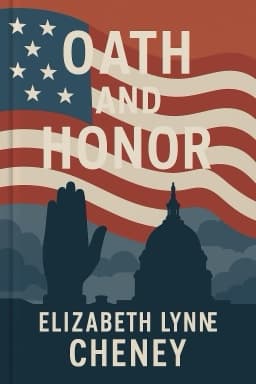
January 6: When Democracy Faced Its Darkest Hour
A chilling recount of the day the Capitol was stormed and the resilience that emerged

On January 6, 2021, the United States Capitol, a symbol of democracy and freedom, was violently breached by a mob incited by unfounded claims of election fraud.
The day began with tension as lawmakers prepared to certify the Electoral College votes. Inside the chamber, the House mace—a powerful emblem representing legislative authority—was hurriedly removed to protect it from the advancing mob, symbolizing the vulnerability of the nation's institutions. Members of Congress were forced to evacuate or hide, some with private security details due to credible threats.
The attackers overwhelmed barricades, smashed windows, and stormed the halls, disrupting the peaceful transfer of power. The Vice President stood resolute, refusing to abandon his constitutional duties despite intense pressure. Meanwhile, the President, who had stoked the crowd’s anger with incendiary rhetoric, delayed calling for calm, allowing the violence to escalate.
Law enforcement officers, many outnumbered and underprepared, displayed remarkable courage in defending the Capitol. Their efforts ultimately restored order, but the damage was profound—both physical and symbolic.
This day was more than a security breach; it was an assault on the very essence of democracy. The events revealed how fragile democratic institutions can be when trust is eroded and truth is replaced by lies. The Capitol attack serves as a stark reminder that democracy requires active defense and vigilance.
In the aftermath, the nation grappled with accountability and healing. The next chapter will explore the political fallout and the struggle to uphold constitutional responsibility in the face of unprecedented challenges.
Want to explore more insights from this book?
Read the full book summary