
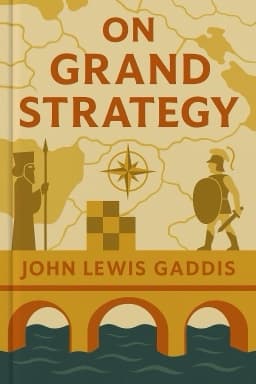
From Xerxes to Elizabeth: The Timeless Art of Grand Strategy Revealed
Explore how iconic leaders across millennia mastered the art of grand strategy to shape history’s course.

The sweep of history is marked by leaders whose grand strategies changed the fate of nations. Xerxes’ audacious crossing of the Hellespont, the fortified walls of Athens, the patient rise of Octavian, and the adaptable reign of Elizabeth I each tell stories of ambition tempered by reality.
Xerxes’ bridges symbolize the tension between bold vision and logistical limits. His advisor’s caution reminds us that grand strategy requires humility and foresight. Athens’ Long Walls reflect how physical structures embody cultural identity and strategic priorities, setting the stage for conflict with Sparta.
Octavian’s strategic patience after civil war exemplifies the power of timing and self-awareness in leadership. Elizabeth’s flexible policies amid religious and political turmoil highlight adaptability as a key to sustained power.
These leaders illustrate that grand strategy is not static but a living practice of continuous adjustment. Their successes and failures offer lessons in balancing intellect, temperament, ethics, and pragmatism.
In today’s complex world, these timeless lessons remain vital. Leaders must navigate uncertainty with wisdom, balancing competing demands and embracing the necessity of choice.
By studying these historical exemplars, modern leaders can cultivate the insight and resilience needed to face contemporary challenges.
Sources: NDU Press, Army Cove, Goodreads, Yris Reviews 1 2 3 4
Want to explore more insights from this book?
Read the full book summary