
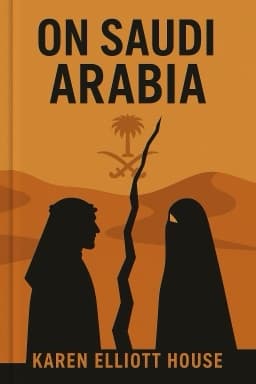
Women in Saudi Arabia: From Shadows to the Spotlight
The evolving story of Saudi women pushing boundaries in a conservative kingdom.

Tradition and Restriction
For decades, Saudi women have lived under a strict regime of gender segregation, male guardianship, and social control enforced by religious police. The abaya and niqab symbolize both cultural identity and enforced modesty. Women’s mobility and personal freedoms have been severely limited, with many requiring male permission for travel, education, or work.
Education and Emerging Empowerment
Despite restrictions, women now make up 60% of university graduates, signaling a dramatic shift in aspirations and capabilities. Access to education has empowered women to seek roles beyond the household, entering professions such as medicine, law, and business. This educational surge fuels demands for greater participation in public life.
Symbolic Battles: The Right to Drive
The ban on women driving became a focal point for activism. Women staged 'drive-ins' and shared videos online defying the ban, drawing international attention. Though the government lifted the ban in 2018, the struggle highlighted broader issues of autonomy and control.
Political Participation and Legal Reforms
In 2015, women were allowed to vote and run in municipal elections for the first time. Since then, incremental legal reforms have granted women more rights, including the ability to obtain ID cards and travel without male guardianship in some cases. However, conservative backlash and legal ambiguities continue to limit progress.
Ongoing Challenges
Religious conservatives remain powerful opponents to gender reforms, warning of social decay. Women themselves are divided between advocates of reform and defenders of traditional roles. The male guardianship system, while weakened, persists in many areas of life.
Conclusion: A Pivotal Force for Change
Saudi women’s journey from shadows to the spotlight reflects the kingdom’s broader tensions between tradition and modernity. Their education, activism, and resilience make them a key factor shaping Saudi Arabia’s future.
Want to explore more insights from this book?
Read the full book summary