
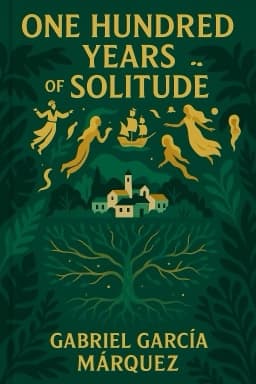
Time, Memory, and Forgetting: The Eternal Spiral of 'One Hundred Years of Solitude'
Delve into the novel’s nonlinear time and the fragile nature of memory that shape Macondo’s fate.

In the world of Macondo, time is not linear but a vast spiral where past, present, and future merge. Events repeat, names recur, and history seems locked in an eternal return. This cyclical conception of time challenges conventional narratives and invites readers to contemplate the nature of fate and memory.
The insomnia plague that strikes Macondo is more than a physical ailment; it erodes memory itself. As villagers forget their past and the meaning of everyday objects, they resort to labeling everything—from chairs to animals—in an attempt to anchor their fading identities. This act symbolizes the desperate human need to preserve memory and meaning.
The invention of a memory machine, a spinning dictionary designed to catalog human knowledge, represents the ultimate effort to combat oblivion. Yet, even this marvel cannot fully halt the tide of forgetting. Dreams and hallucinations further blur reality, underscoring the fragility of memory.
These themes resonate beyond the novel, reflecting universal concerns about history, identity, and the passage of time. Marquez’s portrayal of memory loss as a communal plague serves as a poignant metaphor for cultural amnesia and the consequences of forgetting our roots.
As we approach the novel’s conclusion, these reflections on time and memory deepen our understanding of the Buendía family’s fate and the enduring power of stories to preserve human experience.
Sources: 1 , 2 , 4
Want to explore more insights from this book?
Read the full book summary