
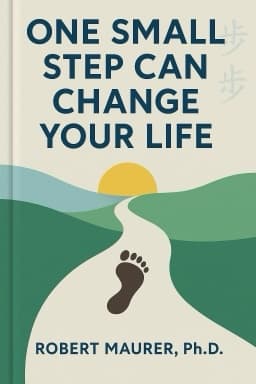
The Tiny Habits Revolution: How Flossing One Tooth Can Change Your Entire Life
Forget giant resolutions—learn why starting with the smallest possible habit makes all the difference, backed by science and real stories.

Have you ever felt overwhelmed by the idea of changing your habits? The typical advice to 'go big or go home' often backfires, leaving you frustrated and defeated. But what if the secret to transformation lies in doing the smallest possible action—so small it seems almost laughable?
This is the power of tiny habits, a concept closely aligned with Kaizen philosophy. Neuroscience confirms that small actions require minimal willpower, sparing your brain from exhaustion and resistance. Starting with a tiny habit like flossing one tooth or standing on a treadmill for a minute creates a ripple effect, building momentum that naturally leads to bigger changes.
One woman who hated exercise began by simply standing on her treadmill while reading a book. Over weeks, she gradually added walking and then jogging, eventually enjoying regular workouts.
Contrary to popular belief, willpower is a finite resource. Big efforts quickly deplete it, leading to burnout. Tiny habits conserve willpower by making the action so easy that resistance fades. This consistency is the cornerstone of habit formation.
Incorporating tiny habits into your routine also enhances motivation. Small wins trigger dopamine release, creating a pleasurable feedback loop that encourages repetition. Celebrating these wins, no matter how minor, fosters optimism and resilience.
Moreover, tiny habits are adaptable and fit any lifestyle. Whether you have five minutes or just one, you can start small and build gradually. This flexibility removes excuses and empowers you to take control.
As you embrace tiny habits, you’ll find that change is less about willpower and more about smart strategy. The journey becomes less daunting and more rewarding, setting you on a path to lasting personal growth.
Next, we will explore how spotting and fixing small problems early prevents setbacks and keeps your progress steady.
Sources: Behavioral psychology studies; Kaizen mindset; real-life habit formation stories; neuroscience on willpower and motivation. 1 3 4
Want to explore more insights from this book?
Read the full book summary