
Beyond Efficiency: New Narratives for a Complex World
A visionary look at transcending the language of efficiency to embrace complexity, humility, and new stories for the future.

As we stand at the crossroads of an increasingly optimized world, a profound question arises: what lies beyond the relentless pursuit of efficiency? The answer is neither more optimization nor outright rebellion, but a radical shift in perspective—dropping the language of efficiency entirely in favor of embracing complexity, paradox, and humility.
Islands serve as powerful metaphors for this new vision. They are places of refuge and incubation where new ideas and ways of living can flourish, balancing isolation with connection. This metaphor speaks to the human need for both community and individuality, offering a model for resilient futures grounded in local knowledge, human-scale interactions, and deep bonds.
Philosophically, this approach acknowledges the limits of any single model or algorithm to capture the full richness of life. It invites pluralism—the coexistence of multiple perspectives—and humility in the face of uncertainty. Rather than seeking control, it encourages participation in an unfolding story where creativity and meaning thrive amid ambiguity.
Crafting new narratives and faiths beyond pure rationalism sustains the human spirit and fosters resilience. These stories are not about perfect control but about ongoing creation, about finding meaning in the dance between order and chaos. They reclaim agency as participants rather than masters of fate.
In embracing this vision, we open doors to futures that honor complexity, nurture connection, and invite courage and grace. The journey is ongoing, and each of us holds a role in shaping the stories yet to come.
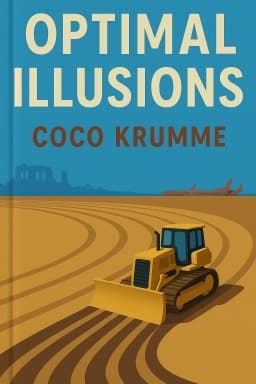
For those inspired to explore these ideas more deeply, the book 'Optimal Illusions' offers a rich foundation, alongside philosophical works that challenge us to rethink the very frameworks of progress and success.
1Want to explore more insights from this book?
Read the full book summary