
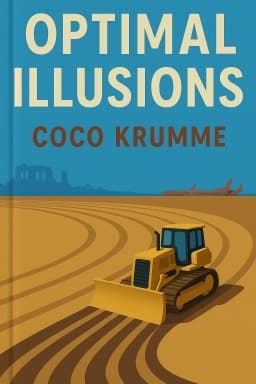
From Fragility to Resilience: How Communities Are Fighting Back Against Over-Optimization
An inspiring exploration of how people and ecosystems resist the brittleness of optimized systems and forge new paths.

In a world increasingly shaped by relentless optimization, signs of resistance and reinvention emerge like wildflowers breaking through concrete. Across vast prairies, herds of wild bison roam once again, embodying ecological and cultural renewal. These majestic animals, nearly lost to history, now symbolize a reclaiming of balance between human systems and nature’s complexity.
Small-scale farmers nurture soil health and community bonds, blending traditional knowledge with innovative practices. Social experiments, such as Universal Basic Income trials, challenge the prevailing economic logic by prioritizing human dignity and security over pure efficiency. These initiatives reveal the complexities of integrating welfare into optimized systems and the importance of flexible, adaptive approaches.
Yet, opting out of highly optimized infrastructures is no simple task. Economic dependencies, cultural ties, and infrastructural lock-ins create barriers that require creative navigation. The interplay of tradition and innovation offers pathways forward, where resilience is not about returning to the past but forging new futures grounded in complexity and care.
These stories of resistance inspire hope and action. They teach us that even in the most optimized landscapes, seeds of change remain, ready to grow into vibrant ecosystems of possibility.
For further insight, explore 'Resilience' by Andrew Zolli and other works that illuminate how systems and societies can thrive amid uncertainty.
Want to explore more insights from this book?
Read the full book summary