
How Silicon Valley’s Efficiency Culture Shapes Our Lives — And What It Costs Us
A revealing look at how the tech industry's relentless pursuit of optimization influences our work, emotions, and social fabric.

In the heart of America’s tech hubs, efficiency is not just a goal—it is a cultural imperative. Silicon Valley has transformed optimization from a technical challenge into a way of life, permeating workplaces, social spaces, and even emotions.
This cultural shift echoes historical virtues like Benjamin Franklin’s frugality, which emphasized order, thrift, and discipline. Today’s tech minimalism, exemplified by movements like KonMari, blends efficiency with mindfulness, promising emotional clarity through decluttering. Yet, beneath the polished surfaces, tensions simmer. The relentless drive to optimize can erode spontaneity, increase anxiety, and foster alienation.
Companies use metrics to track customer experience and employee engagement, aiming to create seamless, efficient ecosystems. While this yields innovation and growth, it risks reducing human complexity to data points. The sister’s gentle advice to 'stop being such an optimizer' reminds us that not all moments benefit from calculation—sometimes, grace lies in imperfection and unpredictability.
Balancing control and freedom in this environment is a profound challenge. The culture of efficiency offers tools for mastery but can also impose subtle constraints on creativity and well-being. Recognizing these dynamics is the first step toward crafting workplaces and lives that honor both productivity and humanity.
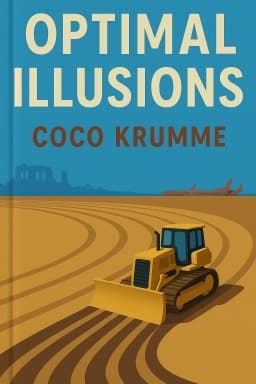
To explore these themes further, consider the cultural critiques found in 'Optimal Illusions' and the psychological insights of 'Antifragile,' which illuminate paths toward resilience amid complexity.
Ultimately, the story of Silicon Valley’s efficiency culture is a mirror reflecting broader societal shifts—inviting us to ask what kind of future we want to build.
Want to explore more insights from this book?
Read the full book summary