
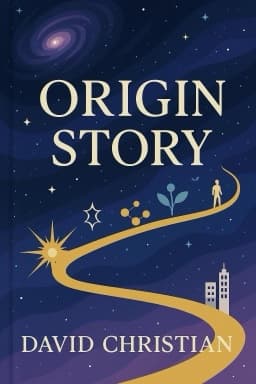
From Microbes to Civilizations: The Epic Story of Life’s Expansion
Follow life’s journey from simple cells to complex societies shaping the planet.

Life’s journey from single-celled microbes to complex multicellular organisms is a saga of transformation and resilience.
The Cambrian Explosion marked a rapid diversification of animal life, introducing new body plans and ecological roles. Fossil evidence reveals the emergence of coral reefs, early plants, and complex marine ecosystems.
Humans evolved with unique cognitive abilities, especially language, enabling shared knowledge and culture. This collective intelligence led to migrations, tool-making, art, and social complexity.
The agricultural revolution transformed human societies, allowing population growth, specialization, and the rise of cities and states.
Life’s expansion has profoundly altered Earth’s atmosphere, geology, and ecosystems. Today, humans are a geological force, reshaping the planet in unprecedented ways.
In our final blog, we will explore humanity’s impact on the modern world and the challenges of our shared future.
Sources: 2 , 3 , 4
Want to explore more insights from this book?
Read the full book summary