
7 Surprising Lessons ‘Out of the Maze’ Teaches Us About Change (And Why You Need Them Now!)
Discover the hidden wisdom in Spencer Johnson's follow-up to 'Who Moved My Cheese?' and learn how to break free from mental traps.

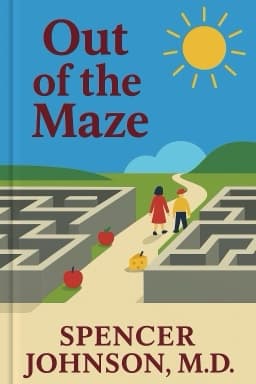
If you’ve ever felt stuck—trapped by your own habits, routines, or beliefs—then Spencer Johnson’s ‘Out of the Maze’ is the gentle nudge you need. Picking up after the events of ‘Who Moved My Cheese?’, the story follows Hem, a character left behind in the maze, paralyzed by loss and uncertainty. What unfolds is a journey not just through winding corridors but through the labyrinth of the human mind. The book’s central premise is that our beliefs shape our reality, and that by questioning and changing those beliefs, we can escape even the most confining circumstances.
One of the most powerful lessons is the idea that beliefs are not facts—they are thoughts we trust. Hem’s refusal to eat apples, believing only cheese is food, is a poignant example of how rigid thinking can blind us to new opportunities. It’s only when hunger forces him to try something new that he discovers nourishment and hope. This mirrors the real-world experience of anyone who has clung to a job, relationship, or identity long past its usefulness, simply because it was familiar.
Throughout the book, Johnson uses simple metaphors to illustrate complex psychological truths. The maze represents life’s unpredictability; the cheese, our comfort zones; and the tools Hem carries, the outdated strategies we all cling to. Letting go of these tools is an act of courage, not defeat. When Hem finally sets down his heavy bag, he feels lighter—both physically and emotionally. This act of release is a recurring theme, reminding us that growth often requires us to put down what no longer serves us.
Another standout lesson is the power of companionship and hope. When Hem meets Hope, he is reminded that he is not alone. Their shared journey is a testament to the transformative power of empathy, encouragement, and shared experience. Hope’s presence, and her willingness to share her last apple, illuminates the darkest corners of the maze, showing that kindness and optimism are as essential as food or water.
The book’s structure is intentionally simple, making it accessible to readers of all ages. Johnson’s parable style ensures that the lessons are universally relevant, whether you’re a CEO navigating corporate upheaval or a student facing graduation. The story’s conclusion—that the real maze is in our minds, and that freedom comes from choosing new beliefs—is a powerful call to action. It invites readers to reflect on their own lives: What beliefs are holding you back? What could you discover if you dared to question them?
‘Out of the Maze’ is not just a story; it’s a toolkit for transformation. Its lessons are supported by real-world applications, from therapy sessions to boardrooms, proving that the wisdom within its pages is both timeless and practical. If you’re ready to break free from your own mental traps, this book is your guide.
In summary, the book urges us to keep growing, keep questioning, and keep sharing what we learn. The journey never truly ends; it simply unfolds, one new possibility at a time. 1 2 4
Want to explore more insights from this book?
Read the full book summary